Posted on 8/31/2026
As temperatures drop and fall weather brings rain, wind, and shorter days, it’s a good time to give your vehicle a thorough checkup. A few simple inspections can improve safety, reliability, and driving confidence throughout the season. Check Tire Tread Depth Tires provide essential traction, especially on wet and slippery roads. We inspect the tread for uneven wear and use a tread-depth gauge to make sure there is enough tread remaining. Inspect the Brakes We can check brake pads, rotors, and brake fluid to make sure your vehicle’s brakes are ready for the wet and slippery roads. Test the Car Battery Cooler temperatures can put additional strain on your car’s battery. We check for corrosion around the terminals and can have the battery tested (especially important if it is several years old or showing signs of weakness). Check Windshield Wipers Fall rain can quickly reduce visib ... read more
Posted on 8/28/2026
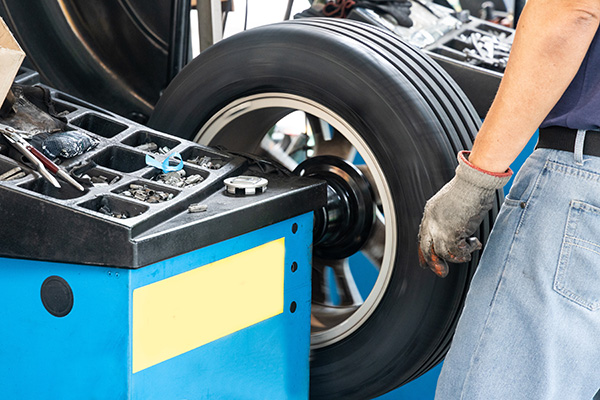
A humming or growling sound that rises with vehicle speed often comes from either a wheel bearing or a tire. The noises can sound similar from the driver’s seat because both are connected to rotating parts at each corner of the vehicle. The difference becomes clearer when you pay attention to how the sound changes during turns, across different road surfaces, and after the tires are rotated. Wheel bearing wear usually reacts to cornering load, while tire noise often follows the tread pattern and pavement texture. How Worn Wheel Bearings Create Noise A wheel bearing allows the wheel and hub assembly to rotate while supporting the vehicle’s weight. Inside the bearing, precisely machined rolling elements move along smooth metal surfaces. As those surfaces wear, pit, or lose lubrication, the bearing begins producing vibration and noise. The sound often starts as a low hum and develops into a growl, rumble, or droning noise as wear increases. It usually beco ... read more
Posted on 7/31/2026
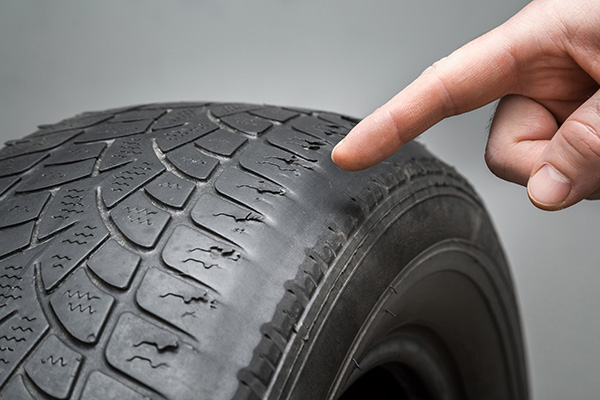
All-wheel drive gives drivers extra confidence in rain, snow, hills, and rough weather. It helps distribute power to multiple wheels, so the vehicle can maintain traction when conditions change. But AWD systems are also sensitive to tire condition in a way many drivers do not expect. Uneven tire tread and mismatched tires can create stress inside the drivetrain. The vehicle may still drive normally at first, but the transfer case, center differential, couplers, axles, and related parts may be working harder than they should. Over time, that extra strain can turn a tire problem into an expensive AWD repair. Why AWD Vehicles Care About Tire Size AWD systems are designed to assume that all four tires are close to the same rolling diameter. When tires match, they rotate at predictable speeds. The drivetrain can deliver power where needed without constantly fighting wheel differences. When one tire is smaller because it is worn more than the others, it has to rotate mor ... read more
Posted on 7/8/2026
The tsunami of catalytic converter theft has subsided, so the pace of catalytic converter replacements has returned to normal. However, from time to time a catalytic converter can fail, and replacement will become a necessity. A failing catalytic converter can negatively impact your car's performance, decrease gas mileage, cause the check engine light to be illuminated, produce rotten egg smell, rattling noises, and of course, negatively impact the environment. But all of these are only a preview of the coming “attractions”. If you do not get the “cat” replaced in a timely manner, your vehicle may experience stalling or no-start condition, expensive engine damage, and in extreme cases, the overheated catalytic converter may spark a vehicle fire. At South Denver Automotive we have extensive experience diagnosing and fixing catalytic converter issues. When you bring your vehicle to our Denver auto repair shop, our nationally ASE-certified technicians will dia ... read more
Posted on 6/26/2026
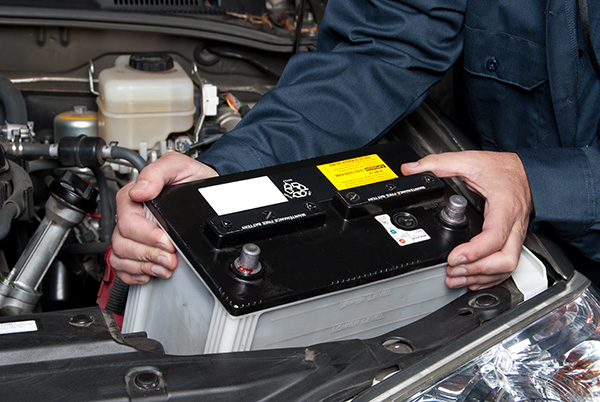
A car battery rarely gives up at a convenient time. One morning, the engine cranks slower than normal. A few days later, the lights look weak, or the car needs a jump. Then it finally refuses to start when you are already late or when you are parked somewhere you do not want to be stuck. Battery failure can feel sudden, but the battery has usually been losing strength for a while. Heat, age, short trips, charging problems, corrosion, and electrical draw all play a part. Knowing what causes batteries to fail can help you replace one before it leaves you stranded. Battery Age Catches Up Eventually Most car batteries have a limited service life. Many last around three to five years, depending on the vehicle, driving habits, climate, and battery quality. Some fail sooner, especially if they have been exposed to heavy electrical demand or repeated deep discharges. As a battery ages, it loses reserve capacity. That means it may still start the car today, but it has less ... read more
Posted on 6/10/2026
If your Toyota turns on the check engine light, oxygen sensor may be the culprit. Fortunately, sensor failures are fairly rare. In recent years, most frequent need for oxygen sensor replacement was due to the catalytic converter thefts – Toyota Prius was the most frequent victim. Fortunately the epidemic of catalytic converter theft has subsided. But there is a chance that your Toyota’s oxygen sensor will fail. The sensor lives in an environment of hot exhaust gases, and is bombarded by small particulates – tough environment by any standards. When it fails, the onboard computer will turn on the check engine light. Unfortunately, the check engine light can come “on” for thousands of conditions, so a professional inspection and diagnosis is a necessity. At our Denver auto care shop we offer full service Toyota maintenance, diagnostics and repairs by nationally certified technicians. When your Toyota needs help, they will use cutting-edge diagnostic tools a ... read more
Posted on 5/29/2026
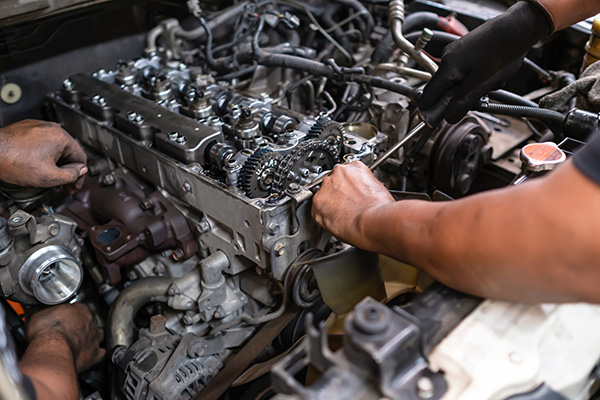
Hearing that your engine has a serious issue can feel overwhelming. In some cases, the car still runs, but not the way it used to. In others, it may not start at all. Once the problem is confirmed, the next question is what to do. Engine repair, replacement, and overhaul are three very different paths. Each option has its place depending on the engine's condition, the vehicle's value, and how long you plan to keep it. Engine Repair Focuses on the Specific Problem Engine repair is usually the first step when the issue is isolated. This might include fixing a leaking gasket, replacing a timing component, or addressing a misfire caused by ignition or fuel system parts. When the rest of the engine is in good condition, targeted repairs make the most sense. They are typically less expensive and allow you to address the issue without going deeper than necessary. The key is c ... read more
Posted on 5/22/2026
Toyota vehicles are world famous for their quality and reliability, but that presupposes regular maintenance – and we don’t mean just oil change. At South Denver Automotive we provide comprehensive Toyota care, including spark plugs replacement. Spark plugs are vital to your vehicle. If they malfunction, at best it will not perform well. Spark plugs generate the sparks that ignite the fuel-air mixture that powers your automobile. Over time, spark plugs wear out, and will need to be replaced. It’s a regular maintenance task – the frequency will depend on the material used to manufacture the spark plugs – copper spark plugs typically last 30,000 – 40,000 miles. Iridium spark plugs can last about 90,000 miles, but they are more expensive. Platinum spark plugs are in the middle. Signs of spark plugs needing replacement can vary, and are similar to other engine maintenance needs, so if you see following symptoms, call our Denver auto repair shop to have ... read more
Posted on 5/6/2026
Your Toyota is manufactured by factories that are part of the world-famous Toyota Production System. As such, you can expect quality and reliability from your vehicle. But even a Toyota will sometimes call for help. That’s what a check engine light means – your vehicle has experienced an issue that the onboard computers cannot correct, and it’s important enough to alert the owner. At our Denver auto repair shop we offer comprehensive check engine light diagnostics and repairs. Our nationally ASE-certified technicians will read the codes stored in the onboard computer, and based on the codes and their extensive experience, will perform diagnosis to find out the root cause of the problem. Why do they need to look further than the codes? Because the codes stored in the computer are like road signs – they point us in the direction of the subsystems we need to inspect and diagnose, in order to narrow down the issue to one or more of the thousands of conditions (yes ... read more
Posted on 4/30/2026
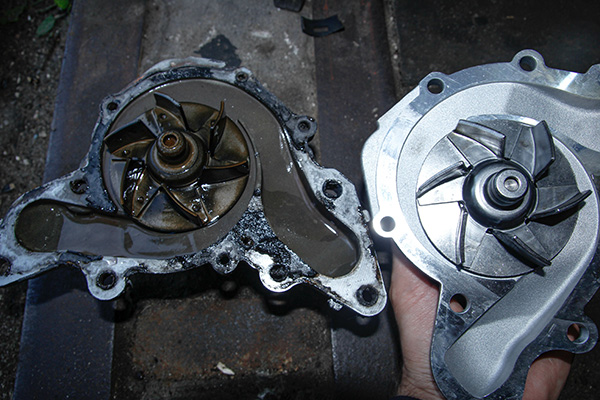
A bad water pump rarely introduces itself with one big, unmistakable problem. More often than not, the cooling system starts acting a little off. The temperature creeps higher in traffic, the coolant drops without a clear explanation, or a strange noise starts coming from the front of the engine. Since the car can still seem drivable for a while, many people keep putting it off. That delay is where a cooling system problem can turn into engine trouble. 1. Coolant Keeps Dropping One of the first clues is a coolant level that will not stay where it should. You top it off, check it again later, and find the reservoir low again. A leaking water pump can let coolant escape through the seal or weep hole, sometimes slowly enough that it does not leave a huge puddle right away. A small coolant loss is easy to shrug off at first. It still points to a problem somewhere in the system, and the water pump belongs high on that list when the level keeps falling. 2. The E ... read more