Posted on 6/26/2026
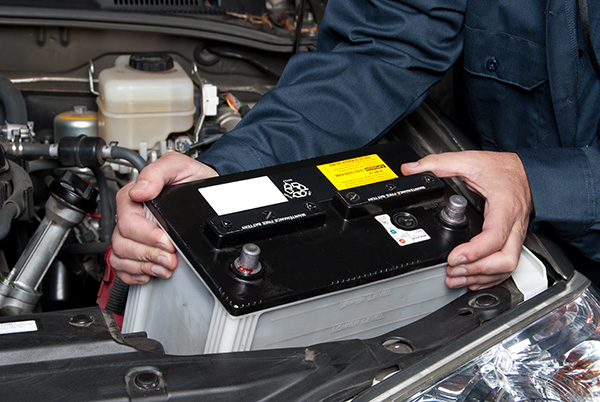
A car battery rarely gives up at a convenient time. One morning, the engine cranks slower than normal. A few days later, the lights look weak, or the car needs a jump. Then it finally refuses to start when you are already late or when you are parked somewhere you do not want to be stuck. Battery failure can feel sudden, but the battery has usually been losing strength for a while. Heat, age, short trips, charging problems, corrosion, and electrical draw all play a part. Knowing what causes batteries to fail can help you replace one before it leaves you stranded. Battery Age Catches Up Eventually Most car batteries have a limited service life. Many last around three to five years, depending on the vehicle, driving habits, climate, and battery quality. Some fail sooner, especially if they have been exposed to heavy electrical demand or repeated deep discharges. As a battery ages, it loses reserve capacity. That means it may still start the car today, but it has less ... read more
Posted on 6/10/2026
If your Toyota turns on the check engine light, oxygen sensor may be the culprit. Fortunately, sensor failures are fairly rare. In recent years, most frequent need for oxygen sensor replacement was due to the catalytic converter thefts – Toyota Prius was the most frequent victim. Fortunately the epidemic of catalytic converter theft has subsided. But there is a chance that your Toyota’s oxygen sensor will fail. The sensor lives in an environment of hot exhaust gases, and is bombarded by small particulates – tough environment by any standards. When it fails, the onboard computer will turn on the check engine light. Unfortunately, the check engine light can come “on” for thousands of conditions, so a professional inspection and diagnosis is a necessity. At our Denver auto care shop we offer full service Toyota maintenance, diagnostics and repairs by nationally certified technicians. When your Toyota needs help, they will use cutting-edge diagnostic tools a ... read more