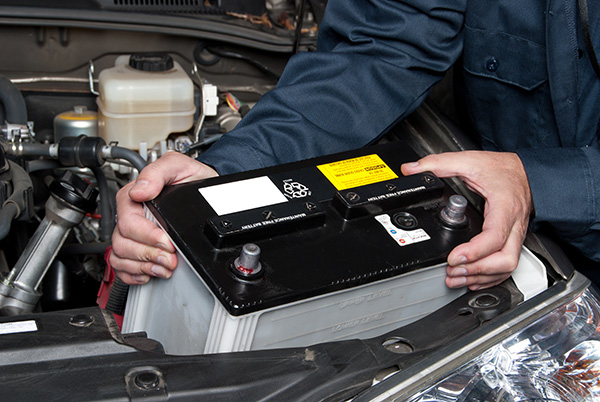
A car battery rarely gives up at a convenient time. One morning, the engine cranks slower than normal. A few days later, the lights look weak, or the car needs a jump. Then it finally refuses to start when you are already late or when you are parked somewhere you do not want to be stuck.
Battery failure can feel sudden, but the battery has usually been losing strength for a while. Heat, age, short trips, charging problems, corrosion, and electrical draw all play a part. Knowing what causes batteries to fail can help you replace one before it leaves you stranded.
Battery Age Catches Up Eventually
Most car batteries have a limited service life. Many last around three to five years, depending on the vehicle, driving habits, climate, and battery quality. Some fail sooner, especially if they have been exposed to heavy electrical demand or repeated deep discharges.
As a battery ages, it loses reserve capacity. That means it may still start the car today, but it has less backup left when the weather changes, the vehicle sits, or the engine needs more cranking power. A battery test can show whether it still has enough strength or is close to the end.
Heat Is Hard On Batteries
Many drivers think cold weather is the biggest battery killer, but heat does plenty of damage. High temperatures accelerate internal battery wear and can cause fluid loss in some battery designs. The battery may keep working through summer, then fail later when cooler weather demands more cranking power.
Under-hood heat also adds stress because the battery sits near the engine and other hot components. Over time, that heat weakens the battery from the inside. By the time slow cranking starts, the damage has usually been building for months.
Short Trips Keep The Battery Undercharged
Starting the engine takes a strong burst of power. After that, the alternator needs enough drive time to recharge the battery. If most of your driving is made up of short trips, the battery may never fully recover before the engine is shut off again.
That pattern slowly pulls the battery down. It is common on vehicles used for quick errands, school drop-offs, short commutes, or cars that sit for days between drives. Regular maintenance should include battery and charging system checks, especially if the vehicle does not get many longer drives.
Charging System Problems Can Ruin A Good Battery
A weak battery is not always the first problem. Sometimes the alternator, belt, cables, or charging system fails to keep the battery properly charged. In that case, replacing the battery alone may only hide the real issue for a short time.
Warning signs can include a battery light, dim headlights, flickering dashboard lights, slow-operating power windows, or a battery that keeps going dead after replacement. The battery and alternator should be tested together. Otherwise, a new battery can end up in the same bad situation as the old one.
Corrosion And Loose Connections Block Power
Battery terminals and cables need clean, tight contact to move power properly. Corrosion around the terminals can create resistance, making starting harder and causing odd electrical behavior. A loose cable can do the same thing, even when the battery itself is still usable.
Drivers may notice clicking, slow cranking, no-start problems, or electronics acting strangely. Sometimes cleaning and tightening the connections solves the issue. Other times, the cable ends, grounds, or battery itself need more attention. An inspection helps separate a connection problem from a failing battery.
Electrical Draws Can Drain The Battery While Parked
Some battery failures happen because something keeps pulling power after the vehicle is shut off. This is called a parasitic draw. It can come from a glove box light, a trunk light, an aftermarket accessory, a stuck relay, a module that does not go to sleep, or another electrical fault.
A healthy battery can handle a normal parked draw for a while, but it cannot support an abnormal drain forever. If the car starts fine after driving but goes dead after sitting overnight or over a weekend, the problem may be more than battery age. Testing for parked current draw can prevent another unnecessary replacement.
When Battery Replacement Makes Sense
Battery replacement makes sense when testing shows the battery no longer has enough capacity, fails under load, or cannot hold a charge. Age and symptoms help guide the decision, but testing gives a clearer answer. A battery that is weak today is unlikely to become more reliable next month.
It is also smart to replace a weak battery before it creates other problems. Low voltage can confuse modern vehicle electronics, triggering warning lights, module issues, or other strange behavior. Replacing the battery at the right time keeps the starting and electrical system more stable.
Get a Car Battery Replacement In Denver, CO, With South Denver Automotive
If your car is cranking slowly, needing jump starts, or showing signs of weak electrical power, South Denver Automotive in Denver, CO, can test the battery and charging system to find the real cause.
Do not wait for the battery to fail, and contact us to schedule your appointment.