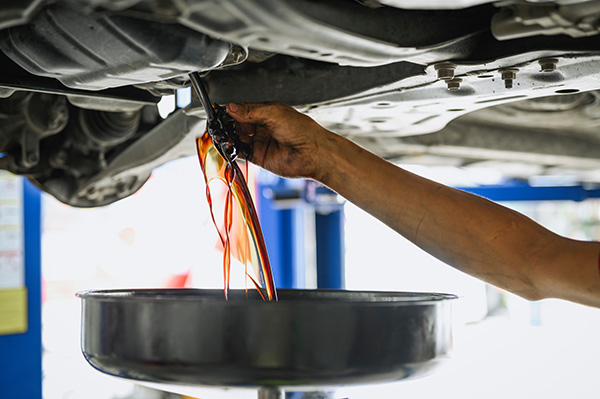
Skipping an oil change once in a while can feel harmless, especially if the car still runs quietly and the dash is not screaming at you. The problem is that engine wear does not show up overnight. It builds slowly as the oil breaks down, gets dirty, and stops protecting the way it should.
By the time you hear new noises or notice performance changes, a lot of damage may already be done.
Why Engine Oil Changes Matter More Than They Used To
Modern engines run hotter, use tighter clearances, and often have variable valve timing or turbochargers that depend on clean oil. The oil is not just lubrication, it also carries away heat and tiny metal particles, and it keeps internal passages free from sludge. As it ages, the additives that fight wear, corrosion, and deposits get used up.
When oil is fresh, it flows quickly on cold starts and maintains a strong film between moving parts. Once it is worn out, it can thin too much at high temperatures or become thick and dirty when cold. That is when you start to get extra friction, more heat, and a higher chance of varnish and sludge forming inside the engine.
What Actually Happens Inside the Engine When Oil Gets Old
Every time the engine runs, small amounts of fuel, moisture, and combustion by-products mix with the oil. Short trips that never fully warm the engine up are especially hard because that moisture does not boil off. Over time, the oil darkens and thickens as it picks up carbon and microscopic metal shavings.
Detergent additives that keep surfaces clean start to become overwhelmed. That is when deposits build in narrow passages, on timing components, and around piston rings. The filter can only catch so much, and once it starts bypassing, dirty oil circulates through bearings and camshafts that really need clean lubrication.
Early Warning Signs You Are Overdue for an Oil Change
You usually get hints before oil-related problems become serious. Some of the things to watch for include:
If you see several of these and know the last oil change was a long time ago, it is time to plan a visit rather than waiting for a bigger symptom.
Common Problems Caused by Skipping Oil Changes
Letting oil go far past its service interval does not always cause an immediate breakdown, but it does raise the risk of several expensive issues:
- Sludge buildup: Thick deposits that block oil passages and starve certain areas of lubrication
- Timing chain wear: Stretched chains and worn guides from dirty or low oil, often causing rattles and check engine lights
- Sticking piston rings: Rings that no longer seal well, leading to oil consumption and loss of compression
- Turbocharger damage: On turbo engines, overheated or contaminated oil can score the turbo bearings and reduce boost
- Bearing wear: Crankshaft and rod bearings that show premature wear, which can eventually lead to knocking or engine failure
We have opened engines that “ran fine” until the day they did not, and the common thread is often very long or inconsistent oil change intervals.
Owner Habits That Quietly Shorten Oil Life
Even if you follow the factory schedule, certain driving patterns can make the oil wear out quicker than the sticker suggests. Some habits that are tough on oil include:
- Lots of short trips where the engine never fully warms up
- Long periods of idling in traffic or while parked with the engine running
- Towing, hauling heavy loads, or frequent mountain driving
- Using the wrong viscosity or a low-quality oil that does not meet the manufacturer’s specs
- Ignoring small oil leaks and running the level low between changes
How Often Should You Really Change Your Oil?
The right interval depends on the engine design, the type of oil, and how you drive, but a realistic range for many modern vehicles is around 5,000 to 10,000 miles with quality synthetic oil. If the manufacturer allows longer intervals, that assumes mostly highway driving and very few short trips. If your driving is mostly stop-and-go, or the engine is known to run hot or use oil, staying on the shorter end is usually safer.
Checking the oil level between services is just as important as changing it on time. If the level drops and no one notices, even fresh oil cannot protect the engine when there is not enough of it. We like to review the owner’s manual with customers and then adjust the plan based on actual use, not just the most optimistic number on the page.
Get Oil Change Service in Denver, CO with South Denver Automotive
We can match the correct oil and filter to your engine, inspect for leaks or sludge, and set up an interval that fits how you really drive. We have seen what skipped services do to engines, and we would rather help you avoid that with simple, timely maintenance.
Call South Denver Automotive in Denver, CO, to schedule your next oil change and keep your engine protected mile after mile.